Resources
Get To Know Tyson
Get educated about industrial farming, and about Tyson itself. Use the reporting and case studies below to help you decide what you want for your community.
Why This Research Matters
Citizens Against Project Sunset (CAPS) is made up of committed Tonganoxie and Leavenworth County citizens. The reading below covers what Tyson has done in other towns, so residents can weigh the proposal on record rather than on promise.
This page gathers reporting, case studies, and background material so residents of Tongie, Tonganoxie, and the surrounding Leavenworth County area can form an informed opinion about the proposed Tyson poultry project. Rather than relying on promotional claims, the material asks readers to look at a documented record of environmental violations, labor and animal treatment concerns, and the questions raised about contract farmer arrangements in other communities where similar facilities have been built.
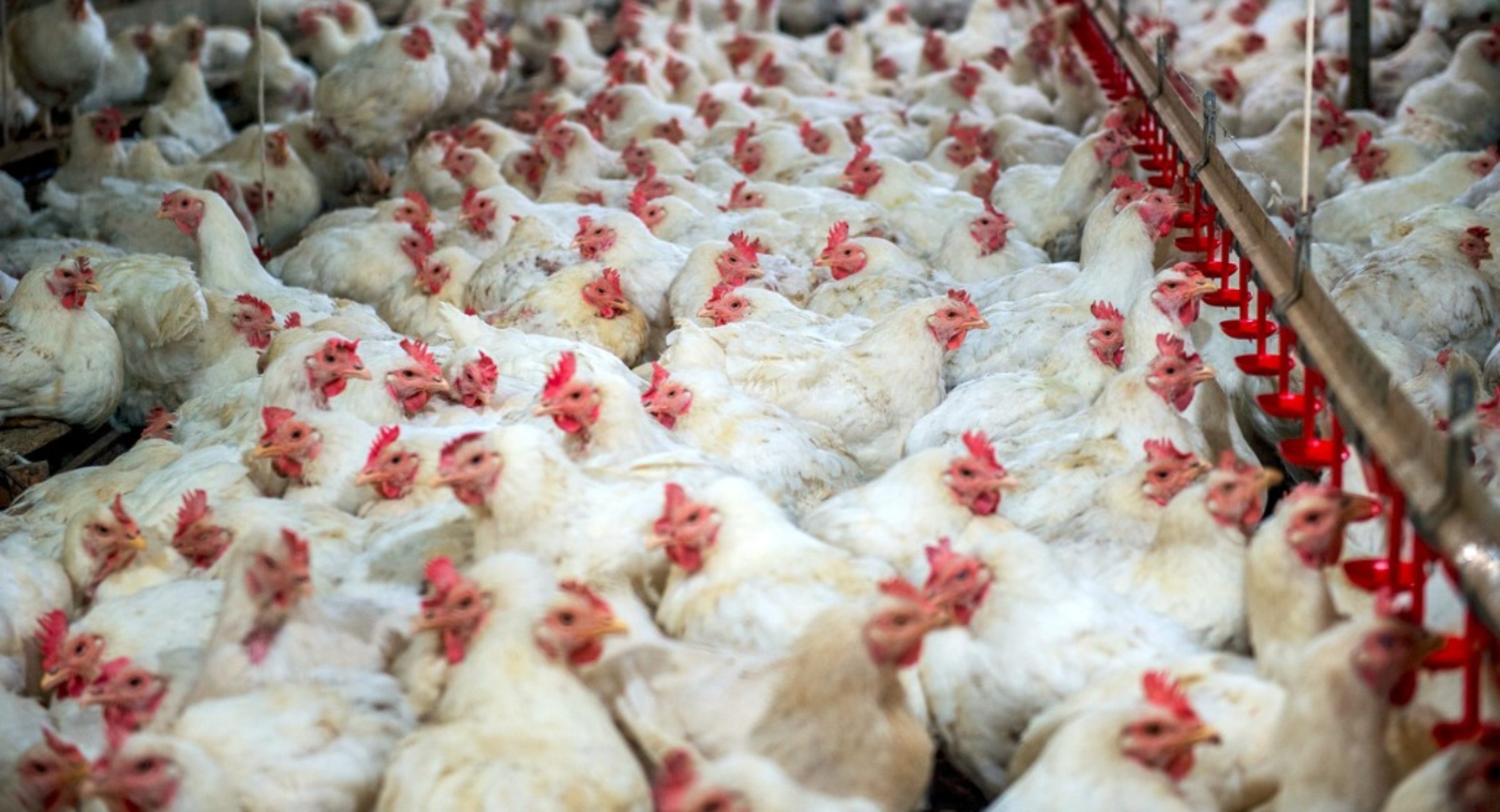
Tyson operates large-scale poultry and processing facilities across the country, and those plants have a well-documented history of runoffs, air emissions, waste handling issues, and strained relationships with neighboring towns. By examining what has happened elsewhere, citizens can weigh the proposal on the record instead of on promise, and can ask how a hatchery, feed operation, and slaughterhouse would affect nearby water, air, and land.
Citizens Against Project Sunset is described as a group of committed area residents who want the community to have a voice in decisions that shape local quality of life. The educational material here is intended for anyone who wants to understand industrial farming practices, review the evidence, and then decide whether to participate in public comment, community meetings, petitions, or other ways of making their opinions known to decision makers.
Understanding the proposal takes a few different kinds of resources: reporting on company practices, explanations of poultry production stages from hatchery to processing, and context on how similar complexes affect housing, roads, schools, and the local economy. Readers are encouraged to explore the linked resources, follow ongoing updates, and reach out with questions, because informed residents are the strongest form of community pressure for transparency, accountability, and a say in what gets built nearby.
Tyson has a long record of environmental violations, and the contract farmer arrangements it makes are questionable. The pieces below cover violations, contract farmer issues, and what has happened in comparable communities.
Environmental violations
Reporting documents how Tyson operations have been tied to pollution and to the burden of waste from very large numbers of birds. Articles and podcast episodes below look at waste handling and at how antibiotic use changed the way the world eats.
Background reading on industrial chicken production.
Contract farmer issues
Contract growers raise the birds, and the arrangements are structured in ways that residents question. The reporting collected here examines what it is like to live close to chicken farms and what happens to rural towns when a large plant arrives.
Reporting from Iowa, Missouri, Nebraska, and Kansas.
Communities That Faced A Tyson Plant
Case studies from other towns where a large meat processing facility was proposed. They show both the promises made and the outcomes residents reported.
- Mason City Turns Away $240 Million Hog Plant Star Tribune
- Tyson Foods Kills Rural Towns Mother Earth News
- Nebraska Town Says “No” AP News
- Paying the Price of Living Too Close to Chicken Farms Lawrence Journal-World
- Poultry matter: What do that do with all that chicken waste? Grist
Video and Audio
Documentary and broadcast segments on industrial chicken farming, antibiotics in poultry production, and the realities faced by contract growers.
- Industrial Chicken Farmers Video
- “Chickens”, Last Week Tonight Video
- How Antibiotics Changed the Way the World Eats Audio, 1A
More background: The About Us page explains who CAPS is and why the group opposes the slaughterhouse, hatchery, and feed mill proposed for the area.
About CAFOs
Concentrated Animal Feeding Operations (CAFOs) are the regulatory term for very large livestock facilities. Learning the acronym and the rules that apply to CAFOs is useful when reading any report on a proposed plant.
| Term | What it means |
|---|---|
| CAFO | Concentrated Animal Feeding Operation — the regulatory classification for a very large livestock facility. |
| Contract grower | A farmer who raises birds under contract for a processor such as Tyson, rather than selling on the open market. |
| 50-mile radius | The area in which contractors were to be engaged to raise chickens for the proposed Tonganoxie facility. |
For details on the proposed project itself — the $320 million plant near Tonganoxie, the slaughterhouse, processing plant, hatchery, and feed mill — see Tyson Info.